ᔥ
Mobility’s future is visible in the increasing support of capital markets, the demands of Chinese consumers, the effort to slow climate change, and the new skills automakers will need to deal with these shifts.

ᔥ
Mobility’s future is visible in the increasing support of capital markets, the demands of Chinese consumers, the effort to slow climate change, and the new skills automakers will need to deal with these shifts.

ᔥ
Many companies are shifting focus from R&D to making driverless models work at scale
ᔥ
A freeze in mobility was one of the most visible signs of the COVID-19 pandemic. Now that economies are opening up again, how are mobility behavior and car sales changing?
The automotive industry, despite the enormous challenge of preparing for the future, while ensuring its current sustainability, is well placed to make its contribution to the phased and global weaning from fossil fuels.

The automotive industry is already considering the implications of the disruptive power of quantum technology as a tool for facing the challenges of the future.
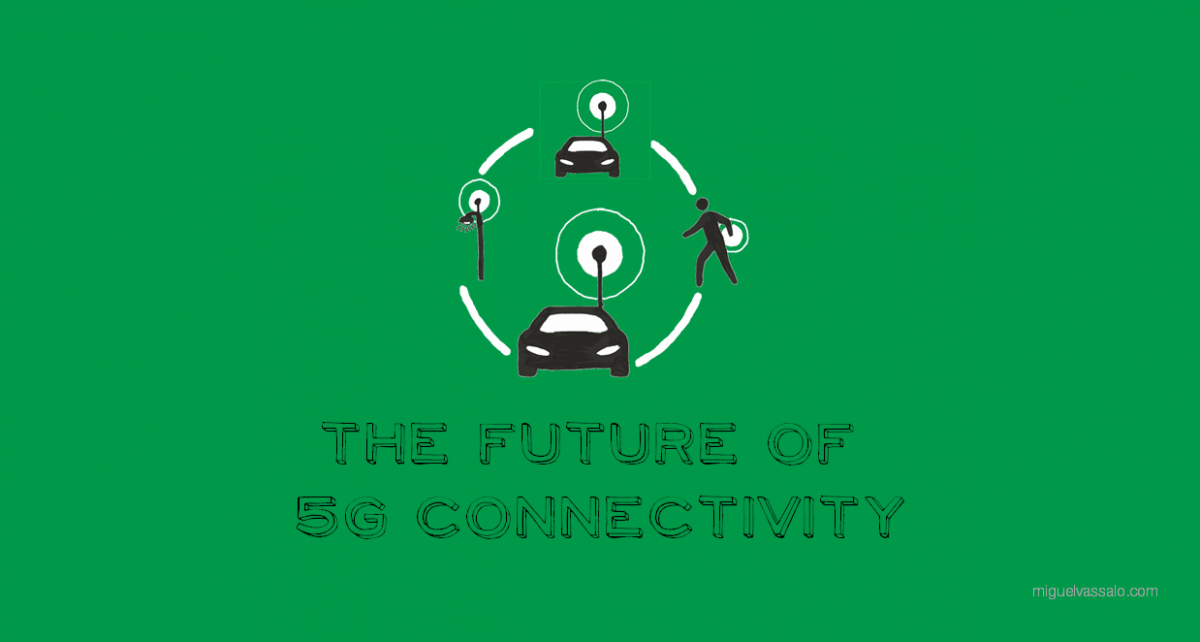
More than just a technology, 5G is a whole new ecosystem on top of which new innovative business models, products and services will emerge.
ᔥ
No industry or executive is immune to the profound implications of mobility’s second great inflection point. Here’s what you need to know now.
ᔥ
Mobility as we know it is about to change. A handful of trends will largely determine the benefits—and costs—for business and society.
Mobility-as-a-service is designed to offer a more economical and sustainable alternative to the current default model of private cars, offering the equivalent convenience and bringing the famous subscription model to the transport market.

ᔥ
Reimagine the future of how people and goods will move.